The media package includes the teacher instructions for the experiment „C4 Sense of vision“. Die Materialien sind auch in deutscher Sprache im Lernobjekt "Experimento | 8+: C4 Sehsinn" verfügbar (siehe "Auswahl verwandter Medien").
Adressaten:
Allgemeinbildende Schule
Sachgebiete:
- Grundschule -> Sachkunde -> Mensch -> Körperbau, Organe und ihre Aufgaben
Herausgeber Siemens Stiftung Kaiserstraße 16 80801 München E-Mail: info@siemens-stiftung.org
Lizenzen
CC BY-SA 4.0 (https://creativecommons.org/licenses/by-sa/4.0/legalcode)
;
OER Global Logo von Jonathas Mello: CC BY 3.0 (https://creativecommons.org/licenses/by/3.0/legalcode)
Inhalt - C4 Sense of sight (teacher instructions) The teacher instructions include information on the following: the main question, relevance to the curriculum, skills, notes on conducting the subexperiments, the research group, further research assignments, the reference to technology, and the reference to values. The experiment comprises four subexperiments: • Perception of colours • Our field of vision • You need light to see • Where do the colors of the rainbow come from? Vision is one of the most important senses for humans. It is through our eyes that we perceive more than two-thirds of the sensory impressions processed by our brains. When we hear a bicycle bell ring behind us, we automatically turn around. That’s because we prefer to see things with our eyes rather than just trusting our sense of hearing. In addition, our two eyes do incredible things: They provide an extremely detailed, continually updated, three-dimensional color picture of the world. For most of us, this is completely normal; not only children, but also adults, are often unaware of everything that our eyes can actually do. Therefore it is important to sensitize children to their sense of sight early on: How do our eyes work? How can we perceive our surroundings with the aid of our eyes? What level of sensory stimulus is good for us, and when does sensory overload begin? The answers to these questions will differ depending on the individual.
- C4.1 Perception of colors (student instructions) Detailed instructions and questions for students on conducting the subexperiment - C4.2 Our field of vision (student instructions) Detailed instructions and questions for students on conducting the subexperiment - C4.3 You need light to see (student instructions) Detailed instructions and questions for students on conducting the subexperiment - C4.4 Where do the colors of the rainbow come from? (student instructions) Detailed instructions and questions for students on conducting the subexperiment - C4.4 Where do the colors of the rainbow come from? – Tracking down technology (worksheet) Technical applications as a supplement to subexperiment 4 - C4.4 Where do the colors of the rainbow come from? – Tracking down technology (answer sheet) Answer sheet for the technology module in the experimentation instructions of the same name - C4.4 Where do the colors of the rainbow come from? – Tracking down technology (information sheet) This document explains the use and function of living room lighting with light from LEDs and a color screen. - Worksheet for Experimento | 8+ (blank template) The students can use this blank template during the experiment to record their results and observations.
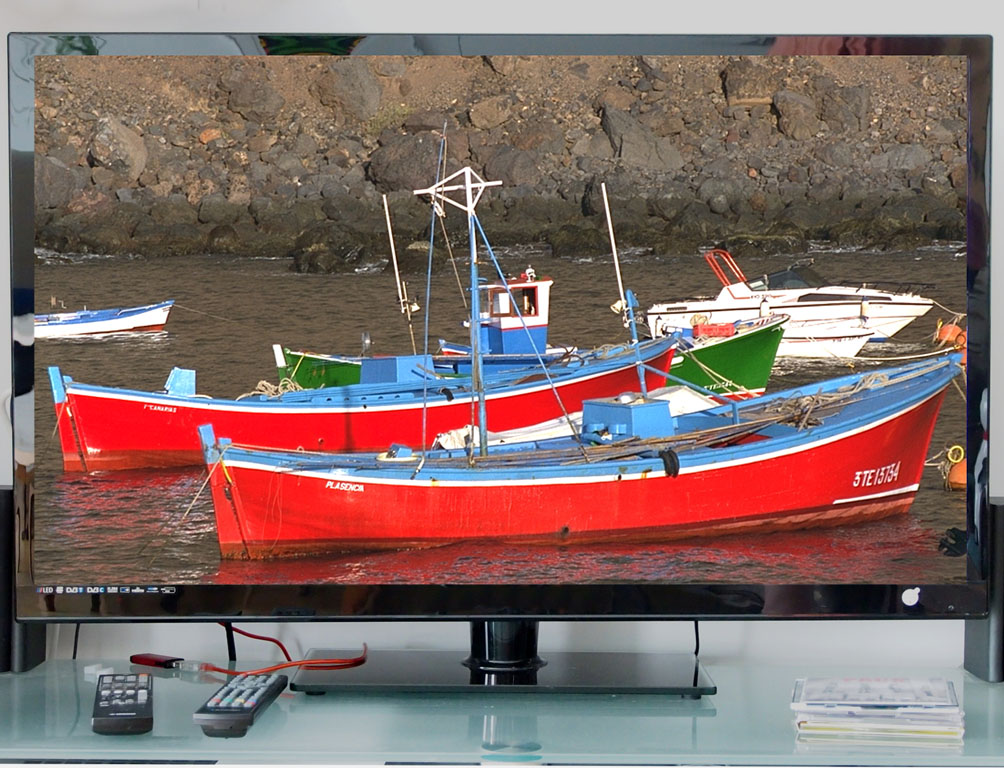
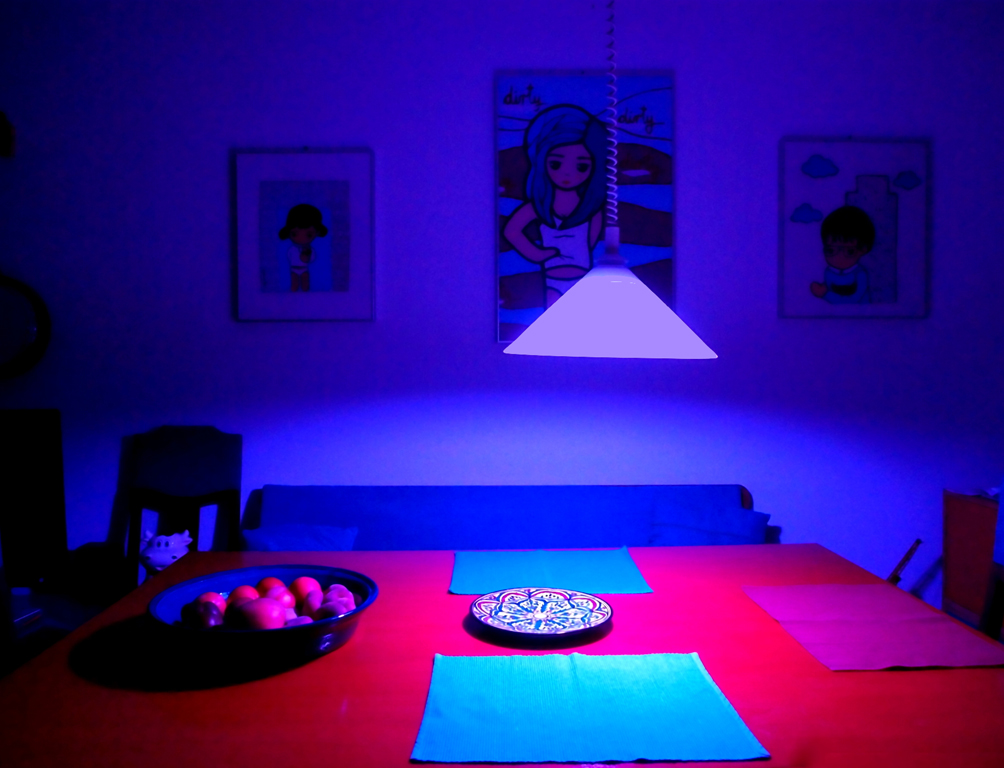
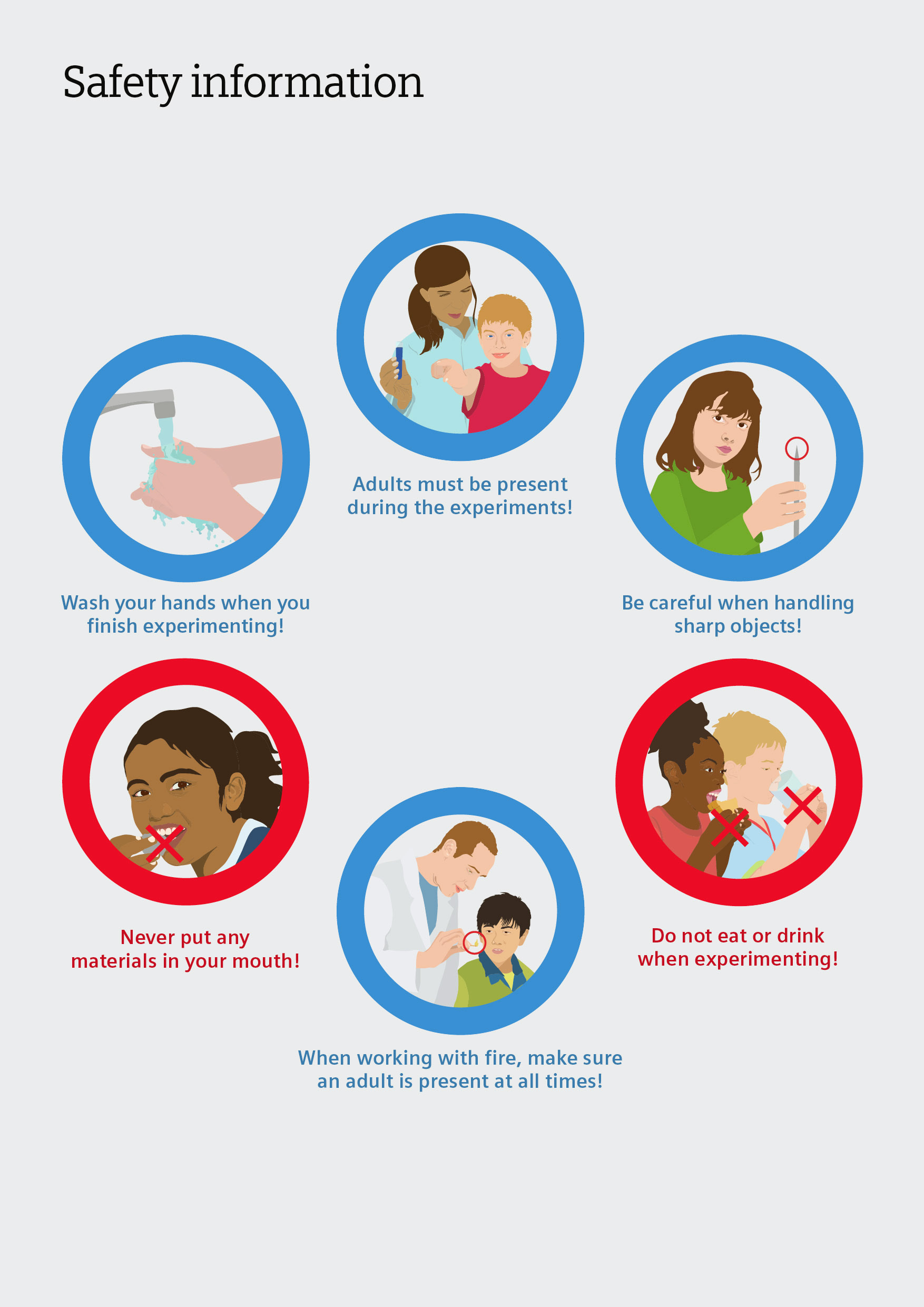
- Baby shampoo (graphic) - Color screen (photo) - Country code for Germany (graphic) - Doctor’s coat (graphic) - LED lamp (photo) - Mushroom (graphic) - Stop sign (graphic) - Sun (graphic) - Tomato (graphic) - Traffic light, green (graphic) - Traffic light, red (graphic) - Wasp (graphic) - Safety information for Experimento | 8+ (poster)
- Educational-didactic introduction – Experimento | 8+ This document explains the basic educational concept of Experimento | 8+ and the methodology behind the worksheet. - Safety information on the topic of health – Experimento | 8+ The teacher should carefully read the safety information before the experiment is conducted and discuss it with the students!
Serienbeschreibung Die Serie stellt Materialien aus dem Medienportal der Siemens Stiftung zur Verfügung und gibt somit auch einen Überblick über die dort vorhandenen Medienpakete. Zur Nutzung der über den externen Link erreichbaren OER-Materialien bedarf es keiner Registrierung. Für andere Bereiche des Medienportals der Siemens Stiftung ist eine solche ggf. notwendig.
Anmerkungen
Handhabung Notes: • German safety regulations were observed for all experiments. For this reason, you should observe the safety regulations valid in your country and state. • The instructions are taken from Experimento, the educational program of Siemens Stiftung. For more information see “Experimento: Make the classroom your laboratory” in the media portal. • All materials mentioned in the instructions will have to be purchased directly from commercial sources.